
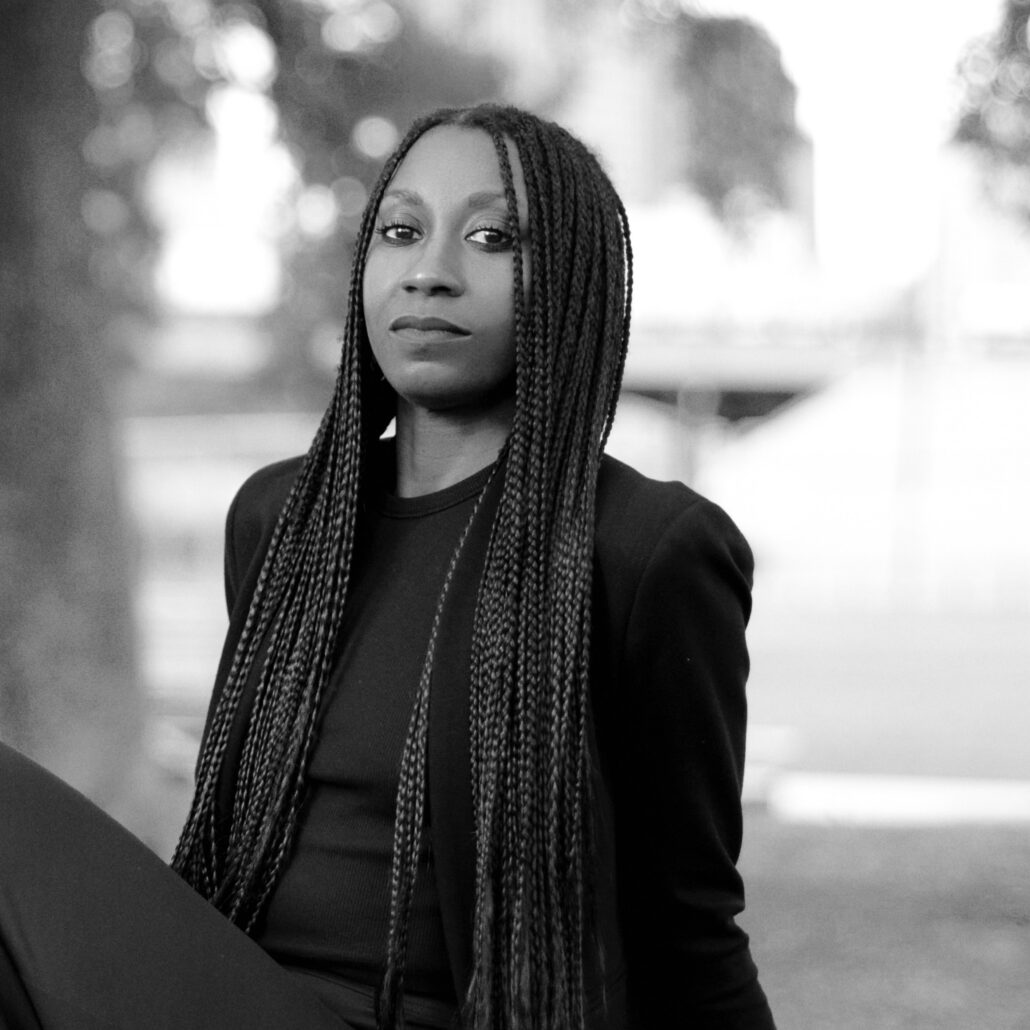
Shana M. griffin is a feminist activist, researcher, sociologist, and artist. Shana’s work engages history and memory as sites of resistance, rupture, and protest. Her feminist practice is interdisciplinary, research-based, activist-centered, spatially-engaged, and decolonial—existing across the fields of sociology, Black feminist thought, geography, and land-use planning and within movements challenging the violence of displacement, carcerality, reproductive control, climate impacts, and gender-based violence.
Shana is the founder of PUNCTUATE, a feminist initiative integrating critical research methods with activism and socially engaged art and curatorial approaches. She is the creator of DISPLACED, a multimedia public history project tracing the geographies of Black displacement, dislocation, and containment in New Orleans and the surrounding region, and a member of SEEING BLACK, a publication and exhibition project chronicling the history, influence, performative aesthetic, and futurity of Black photography in New Orleans. Her latest initiative, SOIL, interrogates the carceral spaces of what is left behind in and on the grounds of former and current sugarcane plantations along the Mississippi River in southeast Louisiana. Shana has received several awards, including a 2025 Loeb/Artlab Fellow at Harvard Graduate School of Design, a 2023 Diaspora Solidarities Lab (DSL) Community Fellow, a 2022 Andy Warhol Curatorial Research Fellow, and a 2021 Creative Capital Awardee. Shana holds a Master of Arts in Sociology and Bachelor of Arts degrees in History and Sociology.
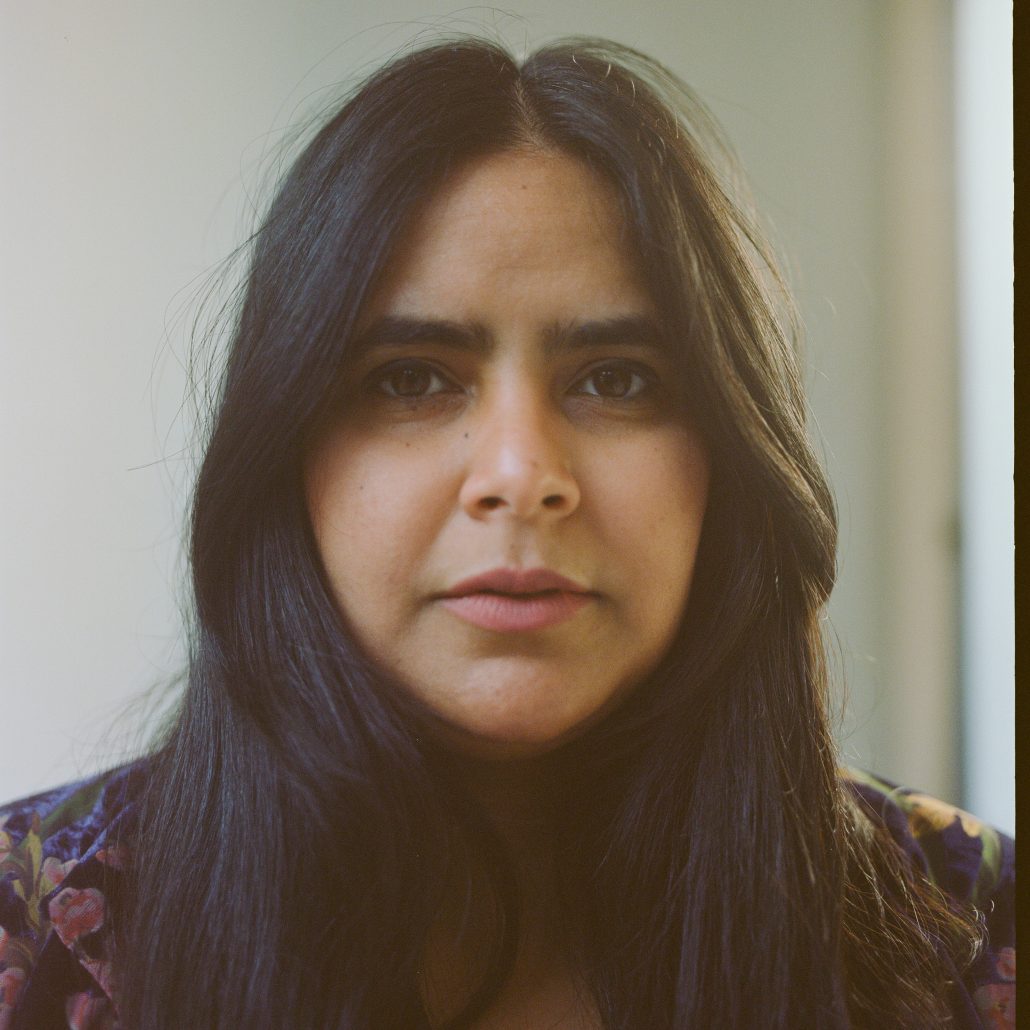
Spandita Malik is an Indian visual artist whose work explores global socio-political issues, with a strong focus on women’s rights and gendered violence. Through her photography and surface embroidery, Malik engages in collaborative, process-based projects with women in India, creating expanded documentary and socially engaged works. Her practice emphasizes a decolonized perspective, challenging conventional representations within documentary photography of India.
Malik has been awarded Google’s Creator Labs Photo Fund, the Women Photograph Project Grant, The 30: New and Emerging Photographers Award, En Foco Photography Fellowship, and the Firecracker Photographic Grant. She has been nominated for the Foam Paul Huf Award (2021) and the Mast Foundation for Photography Grant (2023). Her work has been exhibited internationally, with recent displays at the Kemper Museum of Contemporary Arts, Halsey Institute of Contemporary Arts, 21c Museum Hotels, Somerset House-Photo London, Paris Photo, Jane Lombard Gallery, and Sharjah Art Foundation. Her work has been featured in prominent publications, including Artsy, Art Spiel, Buzzfeed, Crafts Magazine, Elephant Magazine, Harper’s Magazine, Marie Claire, Musée Magazine, The Times (UK), and The Washington Post. The British Journal of Photography named her one of their ‘Ones to Watch’ in 2020. Malik holds an MFA in Photography from Parsons School of Design (2019).
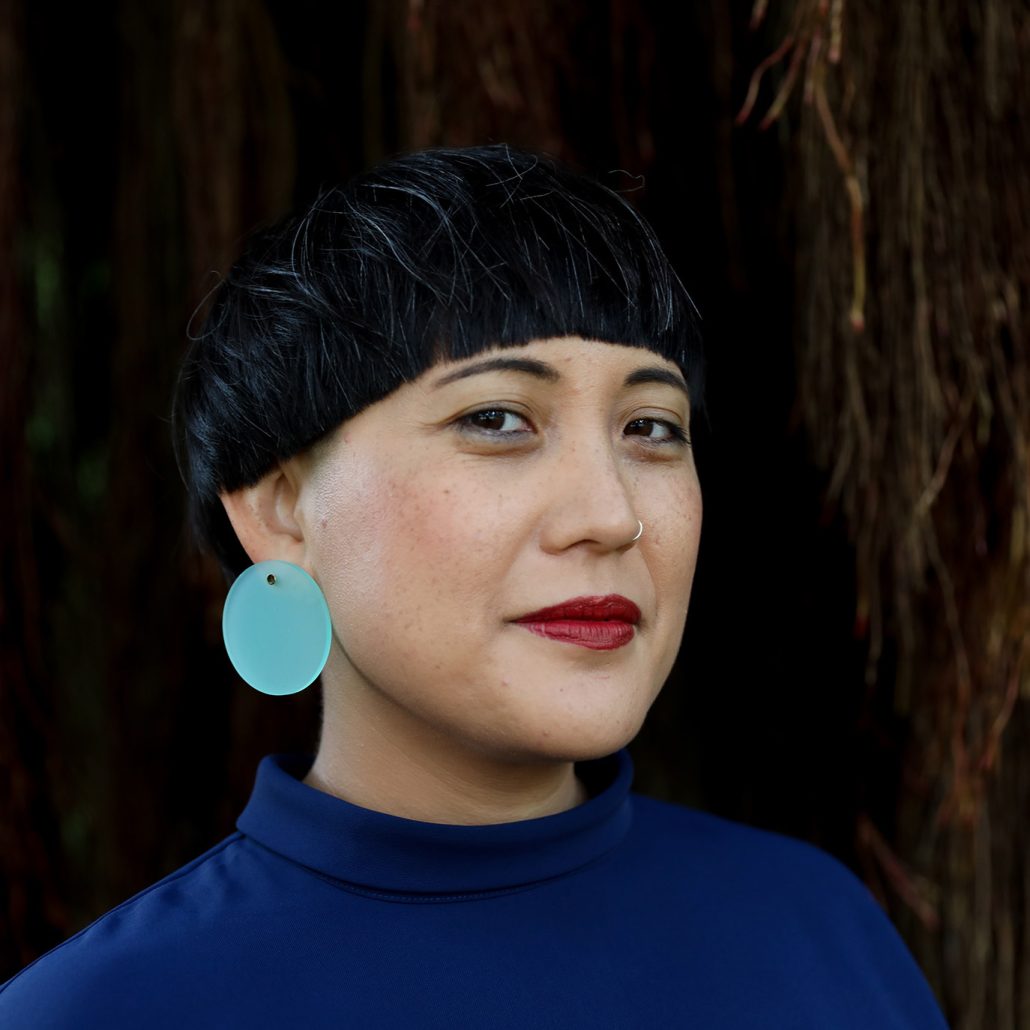
Thea Quiray Tagle, PhD (she/her) is a Filipinx femme curator, writer, and transdisciplinary scholar invested in socially engaged art, site-specific performance, and photographic histories of violence across the Pacific. She holds a PhD in Ethnic Studies from UC San Diego, and was the Chancellor’s Postdoctoral Research Associate in Asian American Studies at the University of Illinois at Urbana-Champaign in 2015-16. Her research and writing have been published in venues including American Quarterly, Verge: Studies in Global Asias, frieze, Hyperallergic, and BOMB Magazine. Dr. Quiray Tagle is the Associate Curator of the Bell Gallery and Brown Arts Institute (BAI) at Brown University; while at Brown, she has organized residencies and solo exhibitions with Autumn Knight + SA Smythe (THEYFXRST), Richard Fung, Barbara T. Smith, Jasmine Thomas-Girvan, and Julie Tolentino. As an independent curator, Thea co-curated New York Now: Home (2023), the inaugural contemporary photography triennial at the Museum of the City of New York, and has curated performance and visual art exhibitions at institutions including Yerba Buena Center for the Arts, San Francisco; the Vachon Gallery at Seattle University; and the San Francisco Arts Commission Galleries.
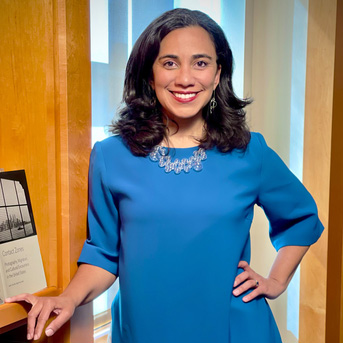
Leslie Ureña is an art historian and curator whose exhibitions and research focus on migration, trans-national art practices, and photography as an agent of social change. In 2023, she joined the Minneapolis Institute of Art (Mia) as associate curator in the Department of Global Contemporary Art. Since then, she has curated several exhibitions including “Another Look” (2023), “Networks of Care” (2024), and “Counter/Culture (2024), co-curated “Domestic Idols” (2024), and was the site curator for “The Shape of Time: Korean Art after 1989” (organized by the Philadelphia Museum of Art).
Prior to her arrival at Mia, Ureña was curator of photographs at the Smithsonian’s National Portrait Gallery, where she organized numerous exhibitions of photography and contemporary art, including co-curating the 2022 Outwin Boochever Portrait Competition. She has also worked in curatorial departments at the National Gallery of Art (Washington, DC), the Museum of Modern Art, New York, and the Dallas Museum of Art, among others; taught art history courses in Washington, DC, as well as in Taipei, Taiwan, where she led the international team of an emerging art gallery. Her writing has appeared in exhibition catalogues, collected volumes, and on The Atlantic.com, artforum.com, caa.reviews, and ART iT. Ureña holds a BA in the history of art from Yale University and an MA and a PhD in art history from Northwestern University.